

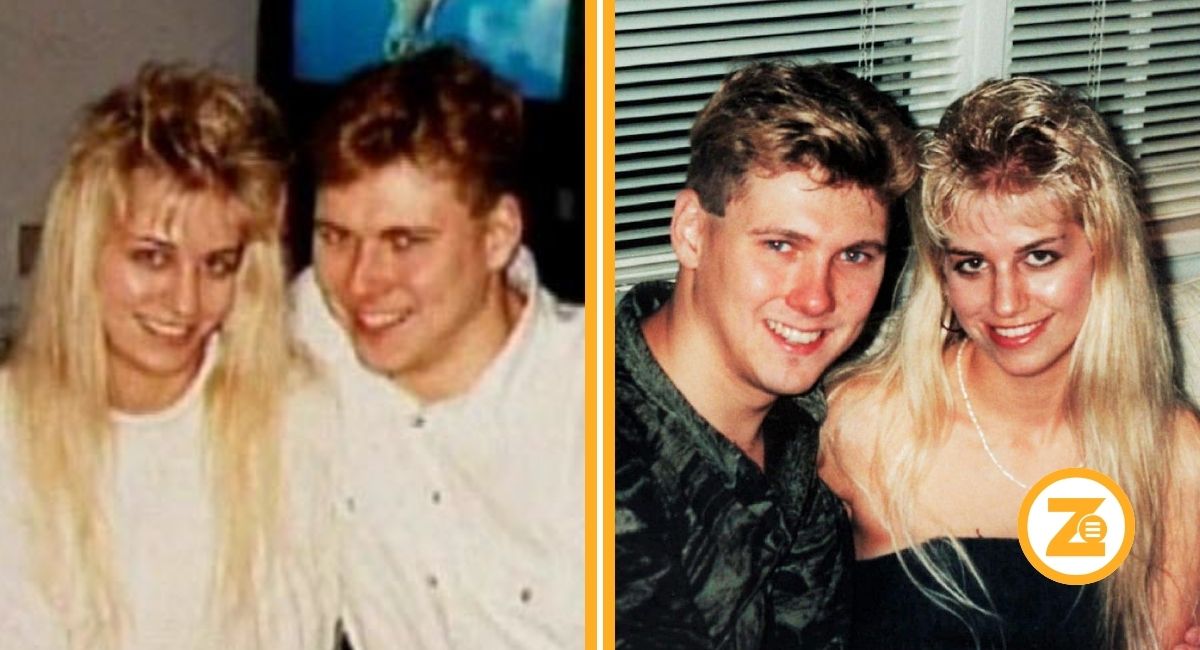
Thierry Bordelais attracts public interest because of his marriage to Karla Homolka, one of the most discussed figures in Canadian criminal history. Yet only a small amount of verified information is available about him. He has not built a public career or shared a detailed life story with the press. This gap has allowed uncertain claims to spread online. Reliable reports identify him as Homolka’s husband, the brother of lawyer Sylvie Bordelais, and the father of three children. They also connect the family to Quebec and the Caribbean island of Guadeloupe. This article separates confirmed facts from rumours while respecting the privacy of children who did not choose public attention.
Personal Details of Thierry Bordelais
| Full name | Thierry Bordelais |
| Known for | His reported marriage to Karla Homolka |
| Family connection | Brother of Quebec lawyer Sylvie Bordelais |
| Reported wife | Karla Homolka |
| Reported marriage year | 2005, according to several media reports |
| Children | Three children with Homolka |
| Places linked to the family | Quebec, Canada, and Guadeloupe in the French Caribbean |
| Date of birth | Not publicly confirmed |
| Age | Not publicly confirmed |
| Birthplace and nationality | Not reliably confirmed in major news reports |
| Education | Not publicly confirmed |
| Occupation | Not reliably confirmed |
| Net worth | Not publicly known |
| Current residence | No recent, reliable public confirmation |
| Public profile | A private individual with very limited verified information |
Who Is Thierry Bordelais?
Thierry Bordelais is a private individual whom Canadian news outlets identified as Karla Homolka’s second husband. He is not known for holding public office, having an entertainment career, or taking part in the crimes connected to Homolka and her former husband, Paul Bernardo. This matters because online searches place his name beside one of Canada’s most painful criminal cases. His link is personal, not criminal. Reliable reports about him mainly concern his marriage, his sister Sylvie, and the family’s movements after Homolka left prison.
That short public record is not a full biography. There is no widely available interview in which he describes his childhood, education, work, beliefs, or personal choices. A careful profile therefore cannot offer the usual details found in celebrity biographies. It can explain what established media organisations have reported and identify what remains unknown. This may feel less dramatic, but it gives readers a more accurate picture.
Thierry Bordelais and His Connection to Sylvie Bordelais
The clearest background detail is his relationship with Sylvie Bordelais. CityNews reported that he is the brother of the lawyer who represented Homolka during the legal period around her case. Other Canadian reports also describe Sylvie as Homolka’s lawyer. This connection has led readers to ask how the later marriage began. However, it does not provide a complete account of the couple’s first meeting or early relationship.
Many online biographies say the pair met during Homolka’s trial, but strong news reports do not offer a first-hand account supporting that claim. No public interview explains when they first spoke, how their relationship developed, or when they decided to marry. Sylvie’s legal role connects the two names, but it should not be turned into a detailed romantic story without evidence. Keeping this difference clear prevents guesses from being repeated as facts.
Why His Marriage to Karla Homolka Drew Attention
The attention around the marriage requires some context. Homolka pleaded guilty in 1993 to two counts of manslaughter and received a 12-year prison sentence after agreeing to testify against Paul Bernardo. The case involved the deaths of teenagers Leslie Mahaffy and Kristen French, as well as Homolka’s sister, Tammy. Later video evidence showed that Homolka played a more active role than her earlier account suggested. Her plea agreement caused lasting anger and legal debate. A Canadian government review notes the widespread criticism surrounding the case.
Media interest in Bordelais increased after Homolka completed her sentence in 2005. CityNews says she lived in Quebec following her release, married him, and had three children with him. Reports place the marriage in 2005, but the exact date, location, and ceremony are not public. A 2025 People report also says she married her trial attorney’s brother after leaving prison. The marriage became news because Homolka remained controversial, not because her new husband had his own public profile.
Their Family Life and Three Children
Reports about Thierry Bordelais and his family agree that he and Homolka have three children together. CityNews said she gave birth to a boy after their marriage and that the couple later had two more children. In 2012, Global News and The Canadian Press described Homolka as living with a husband and three young children in Guadeloupe. The reports did not publish their names, and a responsible biography should not identify them.
The children are part of the public story, but they are not public figures. They had no role in the offences that made their mother known across Canada. News coverage in 2016 included legal and community voices who stressed that they were innocent and entitled to an ordinary life. An article can report that the couple became parents without sharing school records, personal photographs, exact addresses, or other details that could cause harm.
The Family’s Move to Guadeloupe
The family’s time in the Caribbean became public through journalist Paula Todd. Canadian reports say Homolka moved to the Antilles in 2007, and Todd found her in Guadeloupe in May 2012. At that time, Thierry Bordelais was linked to the household as her husband and the father of their children. Todd published her findings in a short ebook titled Finding Karla. Her work drew wide attention because Homolka had lived outside the Canadian spotlight for several years and many people did not know that she had started a family.
Global News reported that Todd observed a tidy home and interactions between Homolka and the children during a brief visit. The journalist described what she saw, but a single meeting could only offer a limited view of family life. It did not reveal the husband’s occupation, personal history, or reasons for entering the marriage. The Guadeloupe reporting is most useful as evidence of where the family lived at that time. It should not be stretched into claims about every part of their private relationships.
The Return to Quebec and Renewed Media Attention
The public heard about Thierry Bordelais again after the family returned to Canada. During testimony in an unrelated 2014 murder trial, Homolka’s sister said that Homolka was back in Quebec with her spouse, whom she identified through his connection to Sylvie Bordelais. The Canadian Press reported this detail when media attention returned in 2016. CityNews later placed Homolka and her three children in Châteauguay, southwest of Montreal. These reports describe where the family was linked at that time, not where each person lives now.
Another wave of coverage appeared in 2017 when Homolka was reported to have helped occasionally at a private school attended by her children. Global News said the school knew about her past and did not leave her alone with pupils. Parents and public officials debated safety, privacy, rehabilitation, and the school’s responsibility. Her husband was not the main subject of that event, but his family connection brought his name back into searches. Old coverage of this kind should not be used as proof of the couple’s present home, school, or daily routine.
What Is Not Publicly Confirmed About Him?
Several basic details about Thierry Bordelais remain unverified. Major Canadian news reports do not provide a confirmed birth date, age, birthplace, education history, religion, or net worth. They also do not clearly establish his job. Some biography sites describe him as an attorney, but the stronger sources reviewed for this article identify his sister as the lawyer and do not confirm that he shares her profession. Without a professional record or a reliable direct source, presenting a specific career as fact would risk misleading readers.
His present marriage status and residence also require careful wording. Recent summaries still describe the marriage and the couple’s three children, but there is little direct, current reporting about their relationship today. No verified public statement from either spouse was found that explains their current living arrangement. This does not prove that they have separated, and it does not prove that nothing has changed. It simply means the latest private details are not confirmed. Writers should avoid turning silence into a divorce story or using an old address as current information.
Public Interest, Privacy, and Responsible Reporting
The Homolka and Bernardo case remains part of Canadian criminal history, and the victims must not disappear from its retelling. Leslie Mahaffy, Kristen French, and Tammy Homolka were real young people whose families experienced lasting loss. A biography about someone connected to the case should provide enough background to explain public interest, but it should not turn serious harm into entertainment. It should also avoid suggesting that a person shares criminal blame only because of a later marriage or family relationship.
Responsible coverage also protects innocent family members. Reporting a confirmed marriage and number of children is different from exposing a private address or naming minors. The same standard applies to rumours about employment, ethnicity, religion, money, and relationship problems. Facts should come from clear sources, and uncertainty should be labelled honestly. This balanced method respects both the public record and personal privacy. More importantly, it gives readers trustworthy information instead of a dramatic story built from guesses.
Conclusion
The public record on Thierry Bordelais is brief but clear in several areas. Canadian media identify him as Karla Homolka’s husband, Sylvie Bordelais’s brother, and the father of three children. Reports place the family in Quebec after Homolka’s 2005 release, in Guadeloupe by 2012, and back in Quebec by 2014. Beyond those points, much of his biography remains private. His age, work, education, personal views, current home, and present relationship arrangement have not been reliably confirmed. The most accurate answer, therefore, is not a sensational one. He is a private man known mainly through a controversial marriage, and any fuller portrait must wait for reliable evidence rather than online speculation.
(FAQ’s)
1. Who is Thierry Bordelais?
He is a private individual widely reported as Karla Homolka’s second husband and the brother of lawyer Sylvie Bordelais.
2. When did he marry Karla Homolka?
Media reports commonly state that the couple married in 2005, after Homolka completed her prison sentence.
3. How many children do the couple have?
Reliable Canadian reports say that they have three children together. Their names are kept private.
4. What does Karla Homolka’s husband do for work?
His occupation has not been reliably confirmed. Claims that he is a lawyer should not be treated as fact without a strong source.
5. Where does he live now?
His current residence is not publicly confirmed by recent reliable reporting. Older reports linked the family to Guadeloupe and later to Quebec.
You may also read: The Real Story of Daniella Liben: From Running a Fashion Boutique to Building a Family as Adam Pally’s Wife
Visit for more additional information: Zellow Magazine