

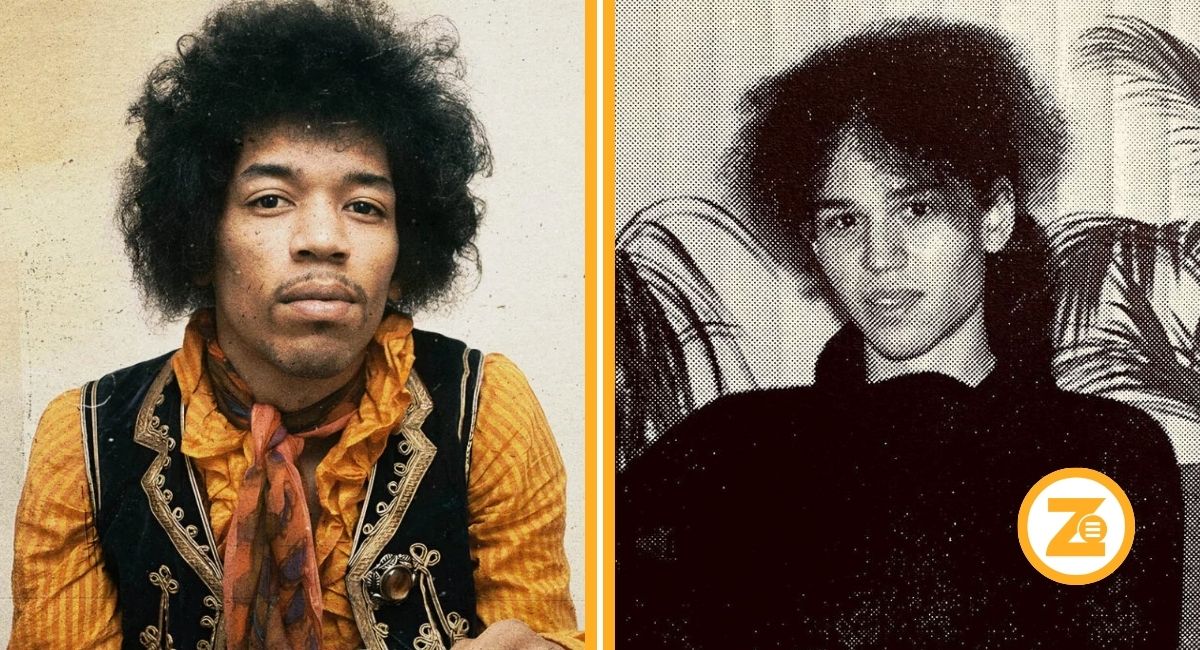
A famous surname can connect someone to music history without bringing a simple life story. James Daniel Sundquist became known through his connection to Jimi Hendrix and a legal fight over the guitarist’s estate. Swedish courts recognised him as Hendrix’s son, but his attempt to gain inheritance rights in America faced separate challenges. Behind those headlines is a Swedish childhood, his mother Eva’s paternity claim and years of questions about recognition. The available records explain the main events, while leaving much of his everyday life outside public view.
Personal Details of James Daniel Sundquist
| Detail | Information |
|---|---|
| Commonly used name | James Daniel Sundquist |
| Full name in historical reporting | James Henrik Daniel Sundquist |
| Reported birth date | 5 October 1969 |
| Reported birthplace | Stockholm, Sweden |
| Nationality | Swedish |
| Age based on reported birth date | 57 in October 2026 |
| Mother | Eva Sundquist |
| Father recognised by Swedish courts | Jimi Hendrix |
| Other historically reported names | Jimi Hendrix Jr. and James Hendrix |
| Main reason for public attention | Paternity recognition and an inheritance dispute |
| Swedish paternity ruling | Reported in 1975 |
| American lawsuit | Filed in Los Angeles in March 1994 |
| Current occupation | Not reliably established in the sources reviewed |
| Personal net worth | No verified public figure available |
A Swedish Beginning and Eva Sundquist
James Daniel Sundquist was born in Sweden in 1969. Later biographical accounts give his birthday as 5 October and his birthplace as Stockholm. His mother, Eva Sundquist, said Hendrix was his father following their relationship during the musician’s visits to Sweden. The connection placed a child living in Europe beside one of the most recognised names in American rock music. However, the public record offers far more detail about the later dispute than about his first years.
Accounts differ over exactly when Eva first met the guitarist. Some describe a meeting on a Stockholm tram, but the dates and details vary between retellings. Contemporary reporting on the estate claim places their relationship in Stockholm in 1969. That provides a firmer starting point for understanding the paternity case. Eva’s role is central because she pursued recognition for her child before he brought his own claim as an adult.
A Childhood Without Hendrix
Hendrix died on 18 September 1970, when his reported son was still a baby. Based on the commonly reported birth date, James was less than a year old. Accounts generally say the two never met, although there is limited direct evidence about their contact. A 1994 Rolling Stone report, preserved in a later online transcription, said the guitarist apparently never saw the child. Claims about promised visits should therefore be treated with care.
The timing explains why this biography has few shared memories of father and son. There was no long period in which James could know Hendrix as a parent. Reliable reporting does not establish regular contact between them. The documented story instead develops through Eva’s account, the Swedish proceedings and the inheritance claim that later attracted international press coverage.
His Meeting With Al Hendrix
In a 1994 Rolling Stone interview, James Daniel Sundquist said he had visited Al Hendrix in Seattle with his mother when he was seven. That account adds a personal detail to a story often told through lawsuits. He described meeting his American grandfather, although the later estate dispute showed that a visit had not resolved questions about recognition and inheritance. The meeting is a reported memory from an interview, rather than proof of a lasting relationship.
During the same interview, he explained feeling unfairly treated and wanting others to accept that his connection to Hendrix was real. He said he was not angry with Al. Those comments give a more direct view of his position than guesses about his feelings. They suggest that recognition mattered alongside the financial claim. However, they do not tell us how he viewed the dispute years later or describe every conversation between the two.
The Swedish Paternity Ruling
The strongest basis for describing James Daniel Sundquist as Hendrix’s son is the reported Swedish court decision. Deseret News covered his American lawsuit in March 1994 and stated that a Swedish court had upheld the paternity claim in 1975. Other contemporary coverage also referred to Swedish legal recognition. This matters because his connection to Hendrix involved a court finding, giving the story a documented legal basis beyond later celebrity biographies.
However, the reported ruling should be described accurately. A paternity decision establishes a legal relationship within the proceedings concerned. It does not mean a modern DNA test was carried out. Historical accounts say no such test confirmed the relationship. Readers can recognise the importance of the Swedish decision while also understanding that genetic confirmation is absent from the published evidence reviewed here.
Why the Name Jimi Hendrix Jr. Appeared
James Daniel Sundquist appears under several names in historical coverage. The Washington Post reported in March 1994 that he had changed his name to Jimi Hendrix Jr. A Christian Science Monitor report the following year referred to Daniel Sundquist and said he used James Hendrix. These variations can make searches confusing, especially when shorter biographies leave out the longer name used in earlier newspaper reports.
The names belong to the same historical inheritance story. Someone searching newspaper archives may find references to James, Daniel, Sundquist or Hendrix Jr. Looking at the mother’s name, nationality and lawsuit date helps connect those reports. However, a name used during a public dispute does not establish what someone uses today. Current personal details need current evidence, so older reporting should remain clearly tied to its period.
The 1994 Lawsuit Against Al Hendrix
In March 1994, James Daniel Sundquist filed a lawsuit in Los Angeles Superior Court against James “Al” Hendrix, the guitarist’s father. Deseret News reported the action on 9 March. The claim argued that Al and his lawyers had concealed James’s right to a share of the estate. By then, more than two decades had passed since the musician’s death, and the value of his recordings and related rights had become a major issue.
These were allegations made in a lawsuit. Filing them did not establish that the people named had committed wrongdoing. The case concerned who could benefit from the estate and how earlier decisions had affected that claim. The distinction matters whenever readers encounter a headline saying someone sued a relative. A complaint presents the person’s case; the court’s later findings determine which arguments succeed. The filing alone cannot supply the final answer.
What the American Legal Reports Established
The American claim did not produce the result James Daniel Sundquist sought in the legal effort described by the Christian Science Monitor. In July 1995, the newspaper reported that he had lost one attempt to establish his claim and gain control of music copyrights. This is useful evidence about the outcome at that time. It is more precise than saying simply that he sued and then leaving readers to assume he inherited the catalogue.
The report does not provide a complete account of every later legal step. It therefore cannot support detailed claims about a final settlement, a particular dismissal date or the exact reasons for every decision. The clearest supported conclusion is that one American effort had failed by July 1995. Swedish paternity recognition and control of American music rights remained separate issues in the reporting, which helps explain why accounts can sound different without describing the same legal question.
The Wider Fight Over Hendrix’s Music
At the same time, Al Hendrix was pursuing a separate dispute over the handling of his son’s music rights. UPI reported in July 1995 that a settlement returned control of the recordings to him. He had accused the estate’s longtime lawyer and others of misconduct. The lawyer denied wrongdoing. That dispute concerned earlier business arrangements and ownership of valuable music assets, adding another layer to an already complicated estate history.
This settlement should be kept separate from the claim brought by James Daniel Sundquist. The official Hendrix website states that Al formed Experience Hendrix in 1995. The company manages the musician’s music and associated rights. Its work includes licensing songs and uses of the Hendrix name and image. These details explain how the legacy became an organised business, but they do not establish that James received a controlling position or a particular payment.
Did He Follow a Music Career?
People often assume that the child of a celebrated musician will become a performer. The available historical account gives a different picture. The Rolling Stone report from 1994 described James as someone who did not play an instrument and sang only privately. That description concerns a particular moment in his life. It should not be stretched into a claim about every interest, skill or job he may have had later.
There is no reliable career record in the sources reviewed that establishes a public role as a recording artist or professional guitarist. Assigning him albums, businesses or entertainment work would therefore be misleading. Hendrix’s own career is well documented through records and performances, including his Woodstock appearance in 1969. His son’s public profile comes mainly from the paternity and estate dispute. A shared name alone cannot fill the gaps in a professional biography.
Personal Life and Net Worth
Reliable reporting does not establish a current occupation, a clear education history or verified details about a spouse and children. The available sources mostly cover the paternity case and inheritance dispute. Older descriptions of his work or living arrangements should remain tied to their date. They cannot show his circumstances today. A recent direct interview or authenticated statement would be needed for a dependable personal update.
His personal net worth is also unverified. Figures attached to the Hendrix catalogue describe music assets, not money held by a person seeking an inheritance. Similarly, filing a lawsuit does not prove a payment was received. The 1995 settlement involving Al concerned another case. The published record reviewed here does not establish James’s royalty income or an ownership percentage in Experience Hendrix, so a precise fortune would be guesswork.
Conclusion
James Daniel Sundquist has a documented place in the story surrounding Jimi Hendrix’s estate. The key events are the Swedish paternity recognition, the 1994 American lawsuit and reporting that one legal effort had failed by 1995. His personal life is less fully recorded, and the gaps deserve careful treatment. Understanding his journey means keeping dates, court findings and allegations clear. That approach gives readers a useful account of the person behind the inheritance headlines without inventing the rest of his life.
(FAQ’s)
1. Who is James Daniel Sundquist?
He is a Swedish person recognised by Swedish courts as Jimi Hendrix’s son and known for an American inheritance claim.
2. Who is his mother?
His mother is Eva Sundquist, who pursued the paternity claim in Sweden.
3. When was he born?
His commonly reported birth date is 5 October 1969, in Stockholm, Sweden.
4. Was his paternity confirmed by DNA?
Historical reports describe legal recognition in Sweden, but no publicly documented DNA confirmation.
5. Did he gain control of Jimi Hendrix’s estate?
A July 1995 report said one American effort to gain control of music copyrights had failed.
You may also read: Who Is Margie Washichek? The Life Story of Jimmy Buffett’s First Wife
Visit for more additional information: Zellow Magazine