
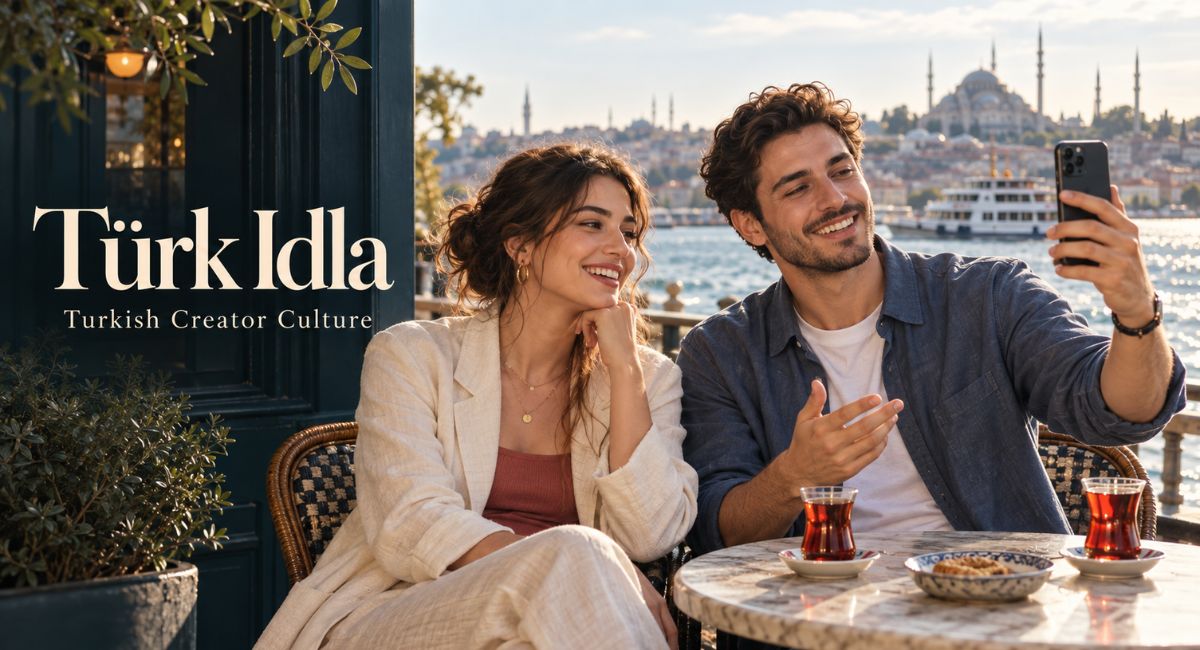
An unfamiliar phrase can make a simple subject feel confusing. You may come across Türk Idla while looking for Turkish videos, creators or online culture. Several websites connect it with digital identity, but their explanations do not establish one clear meaning. Turkish creator culture is easier to describe: it covers people making and sharing content, along with the audiences around them. Understanding the difference helps you judge what you read and enjoy the content without relying on a label that needs more context.
What Does Türk Idla Mean Here?
Some online articles use this phrase when discussing Turkish identity, social media and creative work. However, the material reviewed for this comparison does not provide a verified origin or an agreed definition. Claims that “Idla” means “idol” should therefore be treated as interpretations. A similar spelling alone cannot prove that two words share the same meaning or history.
In this article, the phrase is treated as an unclear online label connected by some writers with Turkish digital culture. This is a limited description of how those articles use it. Before applying the label to a person or community, check whether they use it themselves. A term in a blog headline may tell you more about the writer’s choice than the creator’s identity.
What Turkish Creator Culture Includes
Turkish creator culture includes people who make videos, photographs, podcasts, written posts and other digital content. Their work may involve teaching, entertainment, art, technology or everyday experiences. YouTube has described its Turkish creator community as including teachers, journalists, entertainers and business owners. This gives a useful starting point: the subject covers many types of work and different reasons for creating.
For example, a language teacher might explain common phrases, while a photographer shares editing lessons. A cook could demonstrate a recipe, and a gamer might discuss a new release. Each person offers something different. Türk Idla does not have a clear enough definition to cover this whole range with confidence. Looking at a creator’s actual work gives you a better understanding of their place within the wider scene.
The Main Difference Is the Scope
The clearest difference between Türk Idla and Turkish creator culture is how much each description can explain. The first depends on how a particular writer uses it. The second gives us a broad way to discuss people, content, audiences and online communities. It does not require everyone involved to share one style, goal or view of Turkish identity.
Imagine a website applying the unusual label only to fashion videos. That choice would leave out teachers, game reviewers and many other creators. Another website might use it more widely. These changing boundaries make direct comparisons difficult. When reading a definition, check which activities it includes and what evidence supports those choices. This helps you understand the writer’s meaning without assuming that everyone uses the same terms.
How Language Shapes Online Identity
Language can help a creator connect with a particular audience. Turkish speech, local expressions and familiar jokes may give viewers a sense of connection. However, content from a Turkish creator can also be made in English or another language. The language of a video tells you about its intended viewers, but it cannot explain everything about the person making it.
Subtitles can make the same work easier for more people to follow. Consider a cooking video with Turkish speech and English captions. Viewers may understand the recipe while also hearing how ingredients are named. When discussing Türk Idla, pay attention to these real language choices. They reveal more about communication and cultural connection than a broad claim about what an unfamiliar label supposedly represents.
Local Stories Can Use Global Formats
Creators can tell local stories through formats used around the world. A short tutorial, product review or daily vlog provides a familiar structure. Within that structure, the setting, language and personal experiences can make the content specific. Picture a creator using a common video format to show how a neighbourhood bakery prepares its morning bread.
The format makes the story easy to follow, while the details give it character. This is one possible meeting point between local culture and global internet habits. Some discussions of Türk Idla focus on that connection. Still, using a familiar editing style does not establish membership in a cultural group. To understand a post, look at the story being told and the creator’s explanation of why it matters.
Türk Idla and How Creators Describe Themselves
A creator’s own description is a useful place to begin. Their profile might identify them as a teacher, musician, filmmaker or reviewer. These words explain their work directly. Assigning a different identity based on an outside article can create confusion, especially when that article offers no examples of creators using the term themselves.
For a real example of a clear description, YouTube has profiled Turkish creator Ozan Sihay through his work on photo editing, tutorials and product reviews. Those subjects tell viewers what they can expect. When writing about any creator, use their published work and public statements as your starting point. If a label is relevant, explain who uses it and in what setting, rather than assuming that the person accepts it.
Why Content Format Changes the Experience
The same subject can offer a different experience depending on its format. A short food clip might show the finished dish and a few preparation steps. A longer tutorial can explain quantities, cooking time and common mistakes. A live discussion allows viewers to ask questions, although the answers may be less organised than a prepared lesson.
These differences matter when deciding what to watch. Someone seeking a quick idea may enjoy a short clip. A beginner attempting a recipe may need a full demonstration. Searching only for Türk Idla gives little guidance about those needs. A clearer approach is to identify your purpose first, then choose content with the right level of detail. This makes the comparison useful in everyday viewing.
Creators and Influencers Have Different Roles
A content creator makes material for an audience. An influencer can affect what an audience thinks, follows or buys. One person may do both, but the terms describe different activities. A teacher publishing helpful lessons is creating content. A reviewer who also shapes buying choices may have an influencer role alongside their work as a creator.
Income adds another part to this picture. Creators may work with sponsors, sell their own products or receive support from viewers. These arrangements help explain how some content is funded. When watching a review, check whether a commercial connection is clearly explained and whether the creator shows evidence for their opinion. A cultural label alone cannot tell you how independent, useful or well researched a recommendation is.
What Viewers Can Gain From Turkish Content
Turkish content can offer practical learning as well as entertainment. Depending on the channel, you might practise listening, follow a craft lesson or understand how someone approaches a creative task. Everyday details can also introduce unfamiliar experiences. A carefully explained market visit, for example, may show how a creator chooses ingredients and speaks with sellers.
The value comes from the quality and purpose of the individual post. A useful video gives enough detail to support its message and makes clear when it reflects personal experience. You do not need to settle the meaning of Türk Idla before enjoying such work. Choose creators who explain things clearly, acknowledge limits and make content that fits your interests. Leave room for different voices and experiences within the same country.
How to Judge Cultural Claims in a Post
An article about Türk Idla may make claims about traditions, young people or national identity. Check whether those claims have a clear source. A statement from a named creator supports what that person believes. It does not automatically show what every Turkish creator thinks. The wider the claim, the more evidence a writer needs to support it.
Dates and context matter too. An old post may describe a temporary interest, while a recent article may repeat an earlier mistake. Look for original interviews, documented examples and explanations of unfamiliar words. Be careful when several websites use similar wording without identifying where it began. Repeated claims may share one source, so the number of pages alone is a poor reason to trust an explanation.
A Simple Example of the Comparison
Imagine a Turkish creator filming a pottery lesson. They speak Turkish, add English subtitles and explain a technique learned from a local craftsperson. The video includes close views of their hands and an honest account of a failed attempt. This example brings together creative work, teaching, language and a connection to a particular place.
Now imagine a blogger attaching an unfamiliar cultural label to that video. The added term does not change what the creator made or prove that they belong to a movement. A useful description would explain the craft, the teaching method and the source of the technique. This example shows why the wider idea of creator culture helps us discuss real work, even when an online label remains uncertain.
How to Find Content That Matches Your Interests
Start with the subject you actually want to understand. Searches such as “Turkish pottery tutorial with English subtitles” or “Turkish photography editing lessons” describe a clear need. You can then compare videos by their detail, presentation and relevance. If you are learning a skill, check whether the creator explains each stage and shows the result clearly.
Watch several posts before forming a view of a channel. One polished clip may give an incomplete picture of its usual work. Compare creators with different interests and avoid treating one account as a guide to an entire country. Türk Idla can be a starting point for asking questions, but more specific searches give you greater control over what you find. Follow the content that answers your questions and respects your time.
Conclusion
Türk Idla and Turkish creator culture have different levels of clarity. The phrase needs a source and context before its meaning can be understood with confidence. The wider subject can be examined through real creators, their work and their audiences. Focus on language, subject, format and the creator’s own description. These details make comparisons more useful and help you appreciate the variety of Turkish digital content without making broad claims from an uncertain term.
(FAQ’s)
1. What does the phrase mean?
Some websites connect it with Turkish digital identity, but its precise meaning remains uncertain.
2. Is it another name for all Turkish creators?
There is no clear evidence that the label represents every Turkish creator.
3. What is Turkish creator culture?
It covers digital content makers connected with Turkey, their work and the communities around them.
4. Do Turkish creators always use Turkish?
No, creators can use different languages and subtitles to reach different audiences.
5. How can I find useful Turkish content?
Search for a specific subject, check the creator’s work and compare several relevant posts.
Visit for more additional information: Zellow Magazine